Shop the look
Autumn Harvest: Vintage Fruit & Vegetable Scrapbook Paper
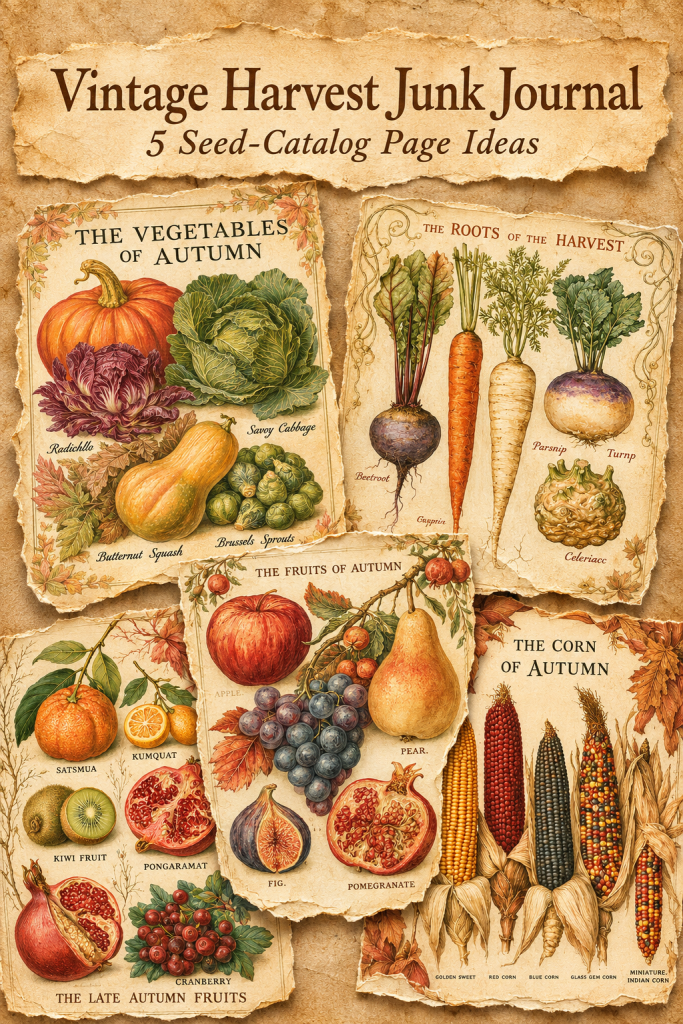
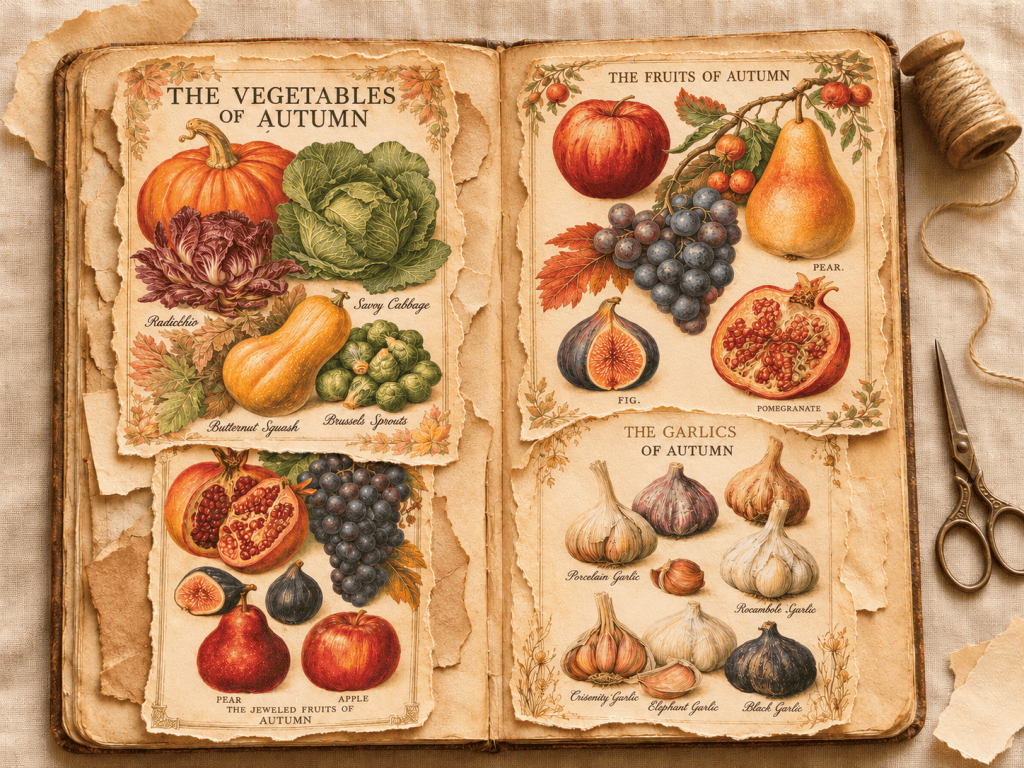
Every piece you see on these pages comes from this book: labeled mushrooms, pumpkins, harvest corn, grapes, berries and pears, ready to cut, tear and glue.
The vintage harvest palette
Pumpkin rust
squash, labels, tabs
#B0562B
Corn ochre
pears, twine, warm accents
#C8962E
Garden olive
autumn greens, leaves
#6D7140
Orchard plum
grapes, dark corners
#5F2F47
Aged parchment
backgrounds, torn edges
#EFE3C6
5 vintage harvest junk journal page ideas
01
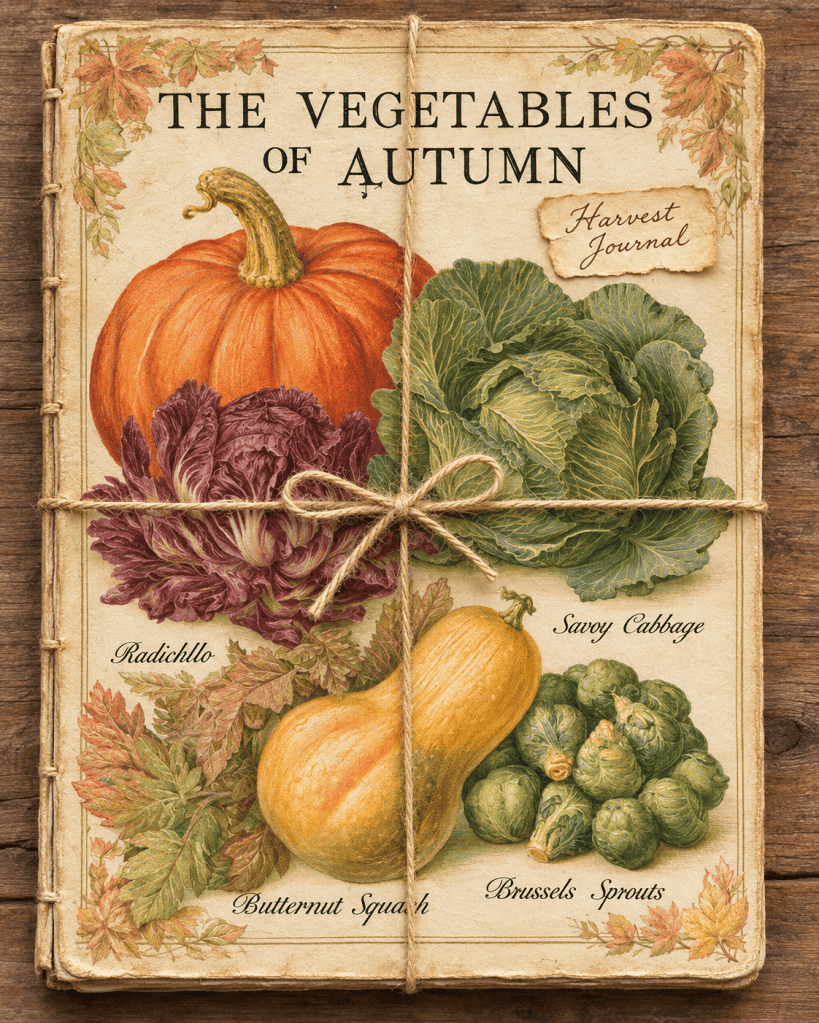
The grower’s catalog cover
Wrap your journal in a pumpkin plate, then add a torn parchment label with the year’s harvest written on it.
02
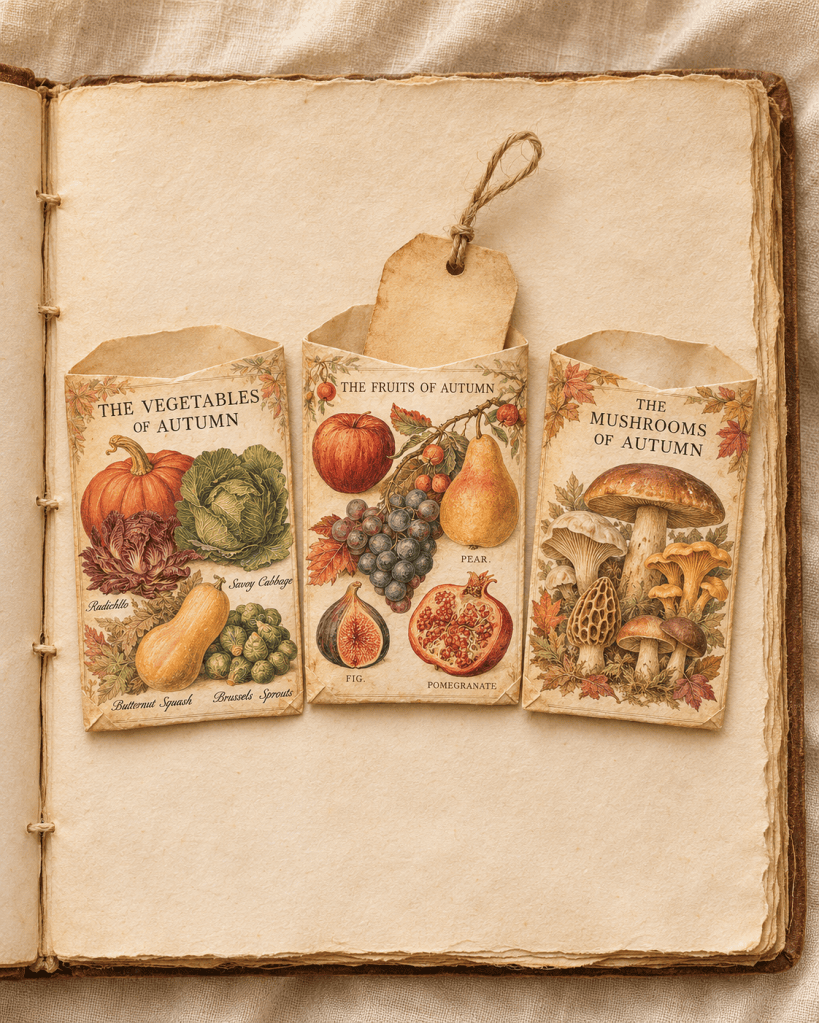
Seed packet pockets
Fold a berry or root vegetable sheet into a little packet, then tuck in garden notes, tags or real seeds.
03
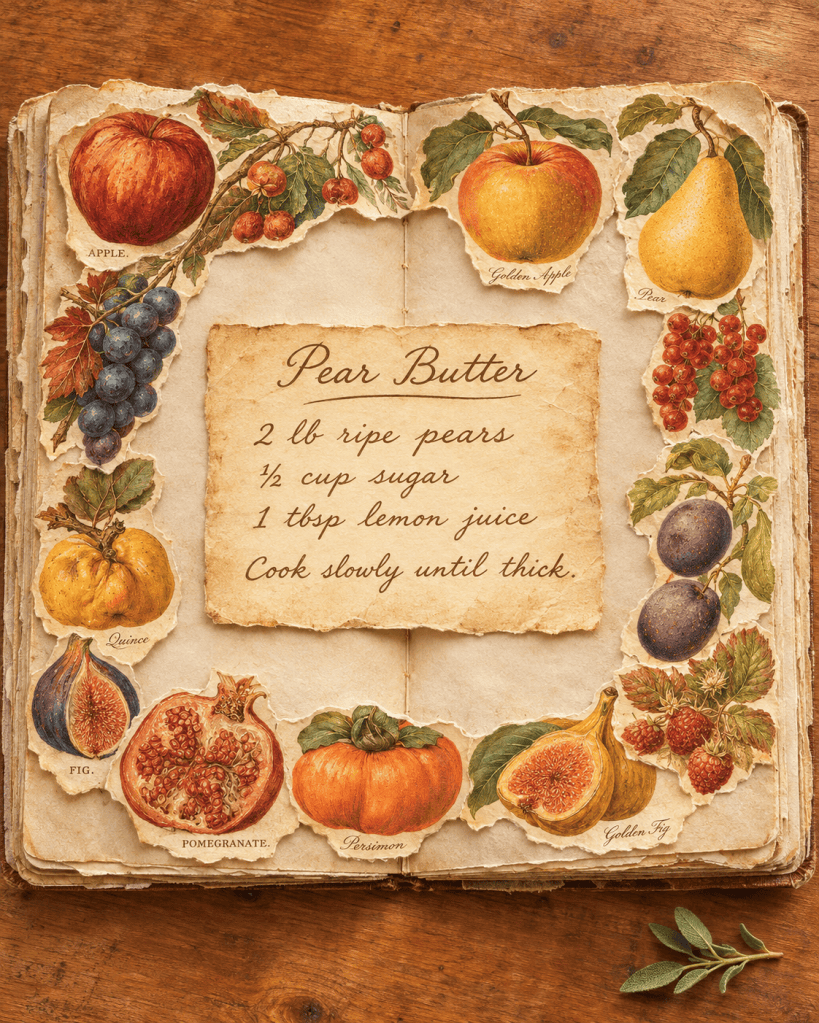
The family recipe spread
Tear around orchard fruit and frame your pie or preserve recipes with it. Ideal for Thanksgiving favorites.
04
Pantry jar labels
Cut small fruit and vegetable motifs, add a parchment strip for the name and date, and glue them to jars.
05
Thanksgiving place cards
Glue a pear, squash or mushroom cutout to cardstock, fold it, and write each guest’s name underneath.
Read the full how-to
A vintage harvest junk journal borrows the look of an old grower’s catalog: naturalist fruit and vegetable plates, hand-lettered plant names and aged parchment in rust, ochre, olive and plum. It suits fall scrapbooking, recipe albums and garden journals equally well. Below is a step-by-step guide to each of the five seed catalog junk journal ideas above, plus answers to common questions about this kind of paper.
Looking for more fall pages? Browse all seasonal junk journal ideas or the vintage scrapbook ideas collection.
How to make a seed catalog junk journal cover
Choose a bold plate, such as pumpkins and winter squash, and glue it to a cardstock or cereal-box cover so it holds up to handling. Tear a strip of a parchment-toned design for the label and write your journal’s name and year on it. Rub a little brown ink around the edges to make it look like a catalog that has spent decades in a potting shed.
How to make seed packet pockets
Cut a rectangle from a berry or root vegetable sheet, fold the sides in so they overlap, then fold up the bottom and glue it. Leave the top open so it works as a pocket. Glue the packet to a journal page and fill it with garden notes, journaling tags or a few real seeds. Every sheet repeats the same design on both sides, so the inside of the packet matches the outside.
How to build a harvest recipe journal spread
Tear around pears, grapes, quince or persimmon by hand for soft edges, then arrange them around the outside of a two-page spread. Write a family recipe in the middle or on a card you can slip in and out. Keep one fruit per recipe, like a pear for pear butter, so you can find it at a glance later.
How to make vintage pantry jar labels
Cut small motifs from any fruit or vegetable sheet and glue them to a parchment strip with room for the contents and the date. Attach the labels with a glue stick for gift jars. For jars that go in and out of the fridge, cover the label in clear packing tape so moisture doesn’t lift it.
How to make Thanksgiving place cards from scrapbook paper
Fold a piece of cardstock into a small tent, cut out a pear, squash or mushroom, and glue it so it rises slightly above the fold. Write the guest’s name below. Use a different plant for each person and the table looks collected rather than matched, and everyone gets a small keepsake to slip into a journal afterward.
Vintage harvest junk journal FAQ
Is this scrapbook paper cardstock?
No. It is printed on standard book paper with a smooth finish, which is easy to cut, tear and glue flat. For covers, place cards or anything handled a lot, back the design with cardstock.
Why does a 25-sheet book list 50 pages?
In book printing, one sheet counts as two pages, front and back. You get 25 physical sheets and 25 designs, with the same design repeated on both sides of each sheet, so a miscut never ruins a second design.
How do you remove pages from the book cleanly?
Open the book flat and slice along the inner edge with a craft knife. For an aged look, tear around the illustrations by hand instead of cutting them.
What colors go with a vintage harvest theme?
Build on aged parchment, then layer rust, ochre, olive and plum. Keep brighter colors to small accents so the pages still read as antique.
Made something with these papers?
Show us your pages!
We love seeing what you make. Share your finished spreads and we might feature them right here, with credit to you.
📌 Post on Instagram or Pinterest with #JunkScrapbooksClub
✉️ Or email a photo to hello@junkscrapbooks.com
we read every single one ♡
By sharing with the hashtag or by email, you’re happy for us to repost your photo with credit.